




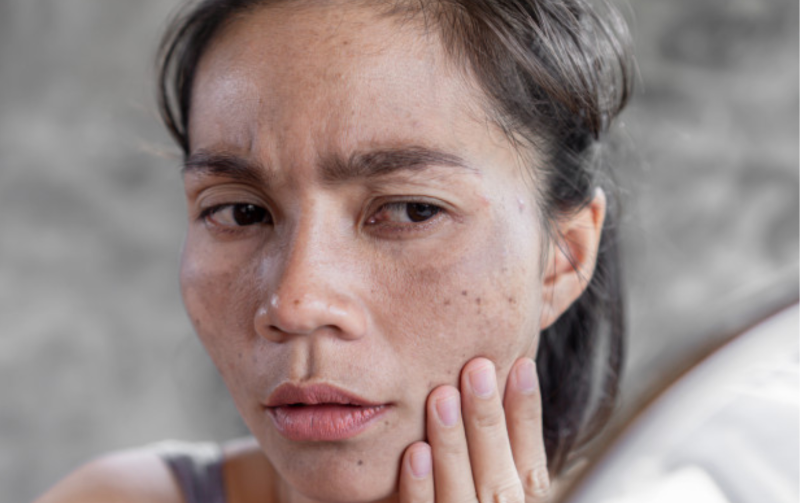
Facial aging is a natural process that involves not only the skin but also fat distribution and underlying bone structure. Understanding its true nature helps in choosing the right rejuvenation approach and avoiding unnecessary or ineffective treatments.
Aging is not just about wrinkles
Many people assume that aging is simply the appearance of wrinkles. In reality, it is a complex process involving multiple layers of change.
Over time, the skin becomes thinner, collagen production decreases, fat compartments shift, and even the facial bone structure gradually changes.
These combined factors lead to volume loss, sagging, and a less defined facial contour.
Why does aging differ from person to person?
The aging process varies depending on several factors, including genetics, lifestyle, environmental exposure, and skincare habits.
Some individuals begin to show signs of aging as early as their 30s, while others maintain a youthful appearance for a longer period.
Misunderstanding aging leads to wrong decisions
One of the most common mistakes is focusing only on surface-level issues such as wrinkles, while ignoring deeper structural changes.
As a result, some treatments may provide only temporary improvement or fail to deliver natural-looking results.
Choosing the right approach
Depending on the level of aging, different solutions may be appropriate — ranging from skincare and non-invasive treatments to surgical procedures.
The key is accurate assessment before making any decision.
The role of the doctor
A qualified doctor plays a crucial role in analyzing the causes of aging and recommending the most suitable treatment plan.
Proper evaluation ensures balanced, natural, and long-lasting results.
Conclusion
Aging is inevitable, but it can be effectively managed when properly understood.
Making the right choice from the beginning is essential to achieving natural and sustainable rejuvenation.


Recent Posts
Recent Comments