





Unsuccessful cosmetic outcomes are not the end of the journey. With proper evaluation and the right approach, many cases can be restored and significantly improved. However, this process is more complex and requires time, planning, and expertise.
When Patients Seek Help After an Unsuccessful Procedure
In clinical practice, many patients come in after undergoing procedures that did not meet expectations. Common issues include asymmetry, unnatural appearance, visible scarring, or structural problems.
Most of these patients also experience anxiety and loss of confidence after their initial experience.
Step 1: Comprehensive Re-evaluation
he first step is not immediate correction, but a thorough reassessment of the affected area.
The surgeon evaluates tissue condition, degree of damage, underlying causes of failure, and the potential for recovery.
Step 2: Personalized Treatment Planning
Not all cases can be corrected immediately. Some require time for tissues to stabilize before further intervention.
Treatment plans are highly individualized and may involve multiple stages to achieve optimal results.
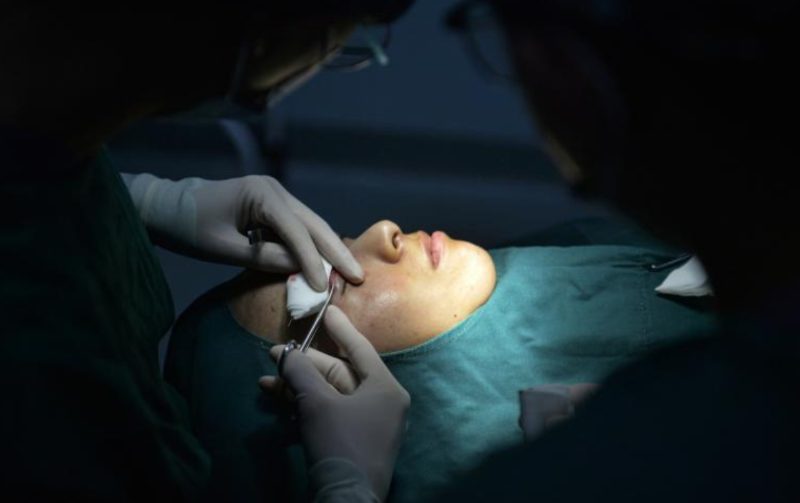
Step 3: Performing the Revision Procedure
Revision procedures demand higher precision than primary surgeries.
The surgeon must address scar tissue, reconstruct structures, and restore harmony while minimizing additional trauma.
Step 4: Post-operative Care and Monitoring
The recovery phase plays a crucial role in determining the final outcome.
Following proper aftercare instructions helps optimize healing and reduce the risk of further complications.
Expected Outcomes
While it may not always be possible to return to a completely untouched state, most cases can achieve significant improvement in both appearance and function.
Setting realistic expectations is essential for patient satisfaction.
Conclusion: Failed cosmetic procedures can be effectively improved when handled correctly. The key lies in accurate assessment, a well-planned strategy, and execution by an experienced surgeon.


Recent Posts
Recent Comments