





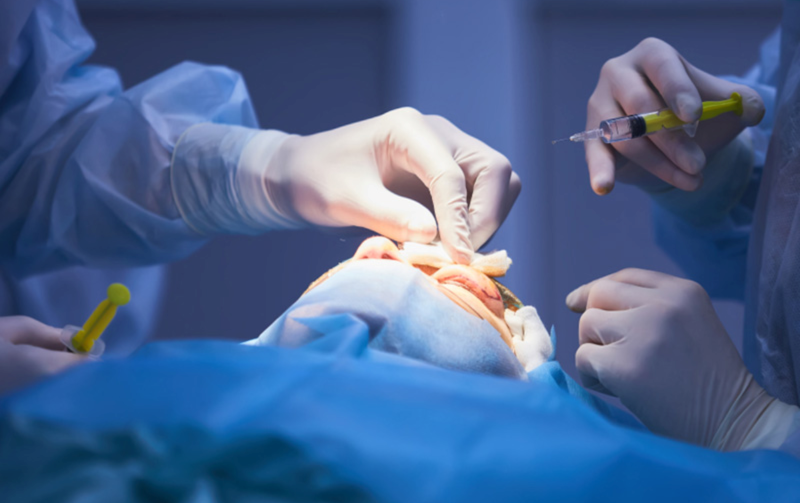
Revision cosmetic surgery is always more complex than the initial procedure. This is due to altered anatomy, scar tissue, and higher technical limitations. It requires an experienced surgeon and a carefully planned treatment approach.
When the Body Is No Longer in Its Original State
In a primary procedure, the surgeon works on untouched, natural structures. In revision cases, however, the tissues have already been altered, often with scar tissue, contracture, or distortion.
This makes surgical manipulation more challenging and requires thorough evaluation before any intervention.
Scar Tissue and Tissue Damage Increase Complexity
After surgery, the body forms scar tissue, which is firmer and less elastic than normal tissue. This limits the ability to reshape structures effectively.
Managing and releasing scar tissue demands advanced techniques to avoid further damage.
Limitations in Available Tissue and Materials
In revision cases, natural materials such as cartilage, skin, or soft tissue may have been previously used or compromised.
This requires careful planning and, in some cases, the use of additional graft materials to reconstruct the area.
Higher Risk of Complications
Revision procedures carry a higher risk of complications because the tissues are already weakened or previously operated on.
As a result, the surgery must be performed with greater caution, and recovery may take longer.
Greater Demand for Surgical Expertise
Not all surgeons are equally experienced in revision cases. These procedures require advanced skills and the ability to adapt to complex situations.
The surgeon’s expertise is a critical factor in achieving a successful outcome.
Conclusion: Revision cosmetic surgery is not simply repeating a procedure, but reconstructing on a previously altered foundation. Choosing the right surgeon and treatment plan is essential for achieving safe, natural, and improved results.


Recent Posts
Recent Comments